
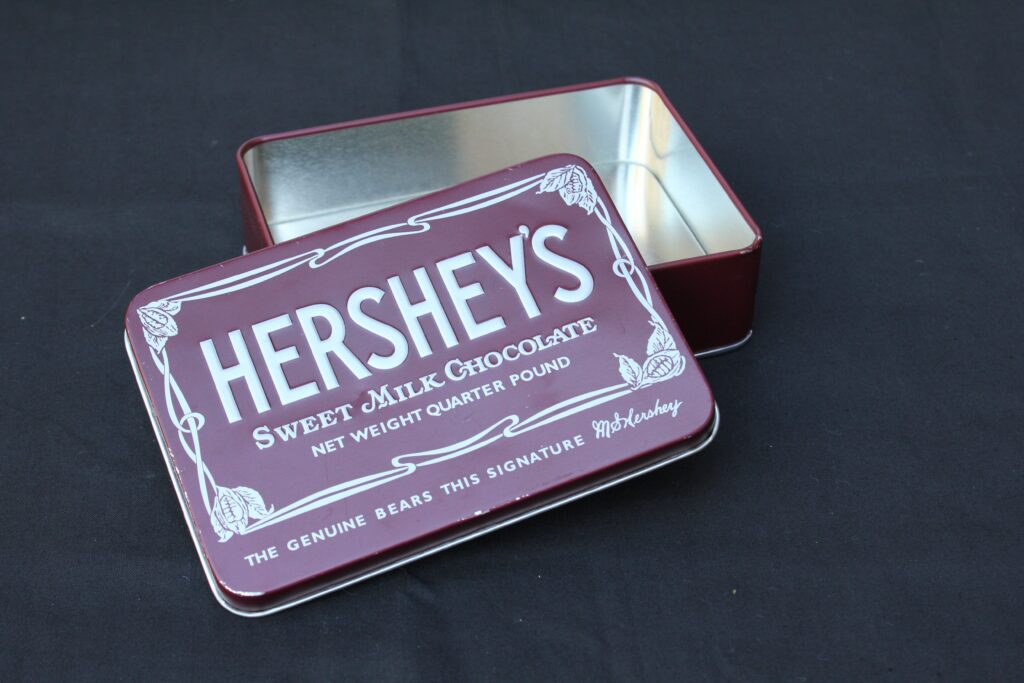
Loneliness is a bitter pill to swallow, but, as Mary Poppins says, “A spoonful of sugar makes the medicine go down.” After touring Hershey, Pennsylvania, last week, I now suspect that Milton Hershey was well-acquainted with that truth.
The Bitter Pill
Near the end of our family vacation this summer, my dad pulled up to a gas station to get coffee. While waiting in the car, I did a double-take at the man sitting in the car next to us. His ash-gray, bald head jutted forward at an odd angle. A blue vein bulged on the side of his head.
“Hey Mom, is that a real person, or a head like, attached to the headrest?” My mom and sister both looked. Sure enough—not a real person. Just a dead-looking rubber head melting in the summer heat.
“I guess that’s someone’s cure for loneliness,” I joked. “Having ‘someone’ riding in the passenger seat next to you.” My mom laughed.
Since my next nonfiction book features several chapters about how to navigate loneliness, the topic of loneliness has been uppermost in my mind for the last year. However, I do not think a fake head placed on a car headrest is the best answer. There are other creative ways to handle lonely seasons. Over the last few days, we learned about one man’s creative ways to cure his loneliness. This man’s name was Milton Hershey.
Wait. As in Hershey’s chocolate?
Yep. That’s right.
A Spoonful of Compassion
After going bankrupt in the candy business three times, Milton Hershey finally made his first real money by making and selling delicious caramels. Later, he sold that business and decided to make a chocolate bar that everyone could afford. He built an entire town to produce his chocolates and candies. But his business and financial success did not protect him from loneliness. Since his beloved wife Catherine had a debilitating disease, they could not have children together.
What was Catherine’s solution?
“Let’s open a school for orphan boys.”
So they did. Many Pennsylvanian boys lost fathers to the coal mines. Milton and Catherine Hershey hired a headmaster and opened an industrial school. Since then, over 11,000 children—both boys and girls—have graduated from this residential school.1
When touring Founder’s Hall on the Milton Hershey School (MHS) campus, my family met a man who was a graduate himself. With a proud smile, our tour guide told us that he had come to the MHS as a thirteen-year-old boy. Although his father had survived World War I, he did not survive work in the coal mines. Milton Hershey himself signed our tour guide’s application and became his legal guardian shortly before his own death.
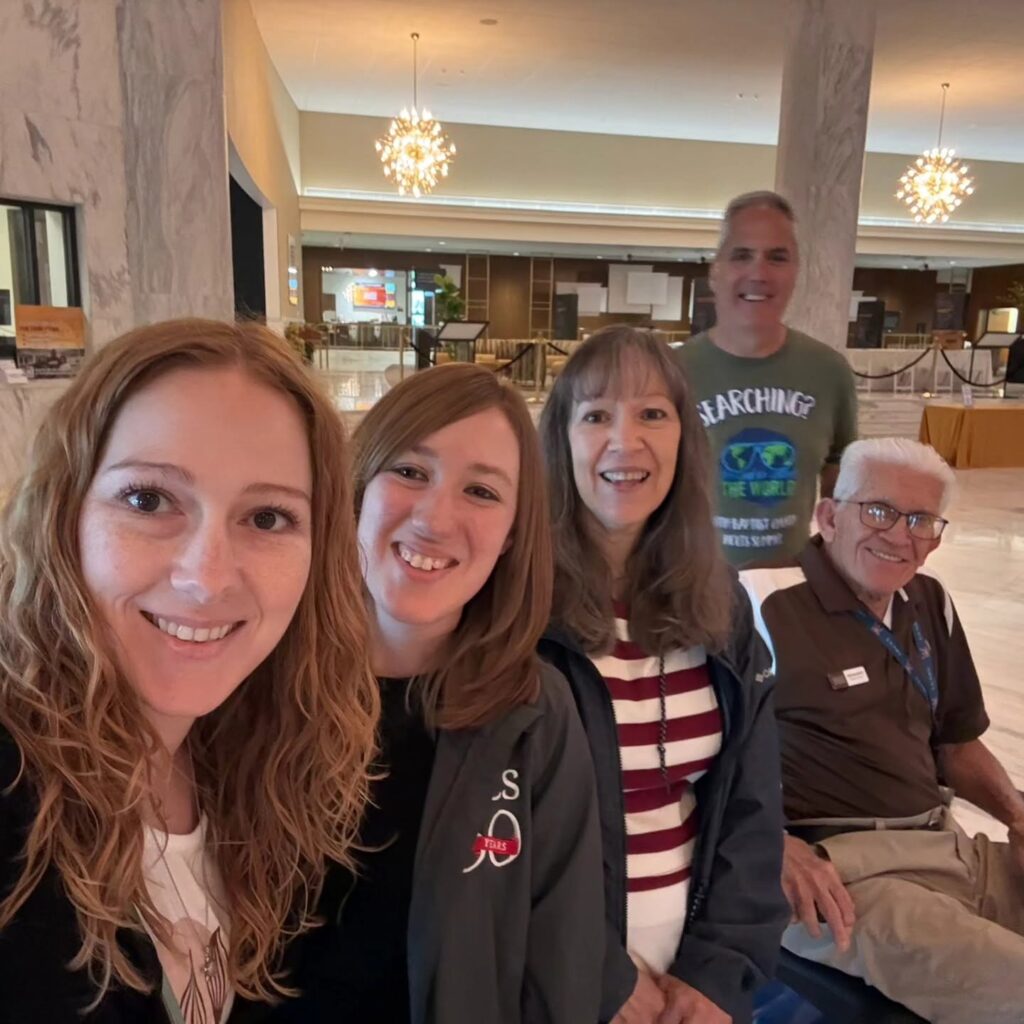
“I have that signed application,” he told us. “I worked on the farm here. The boys who graduated in my class are all very close. But most of them are gone now.”
What is not gone is Milton’s legacy. Years before his death, he signed his entire fortune over to a trust for the school. The profits from The Hershey Company still fund the school that has expanded its reach to include children from low-income families and hard social situations. They have even opened early childhood development centers to help struggling single parents by providing free childcare as well as educational and career support for the parents themselves.
Such a massive legacy—all because Catherine Hershey knew she would die, and she did not want her husband to be lonely.
A Spoonful of Outreach
After Catherine died, Milton had a large house all to himself. Milton’s devotion to the company and the school did not stave off the loneliness of living alone. But he was determined to remain faithful to Catherine until death and not remarry. This brings us to Creative Solution #2.
When my family rode the trolley around the town of Hershey, our conductor told us how Milton’s plan unfolded. He invited a group of men to his mansion for dinner. At the dinner, he told them to pick up their plates. Under the plates were invitations to the Hershey Country Club. The first floor of his home would serve as the clubhouse, and the golf course would be on the lawn surrounding his home. Milton would live on the second floor of the home. Our conductor said with a flourish, “And Milton Hershey was never lonely again.”
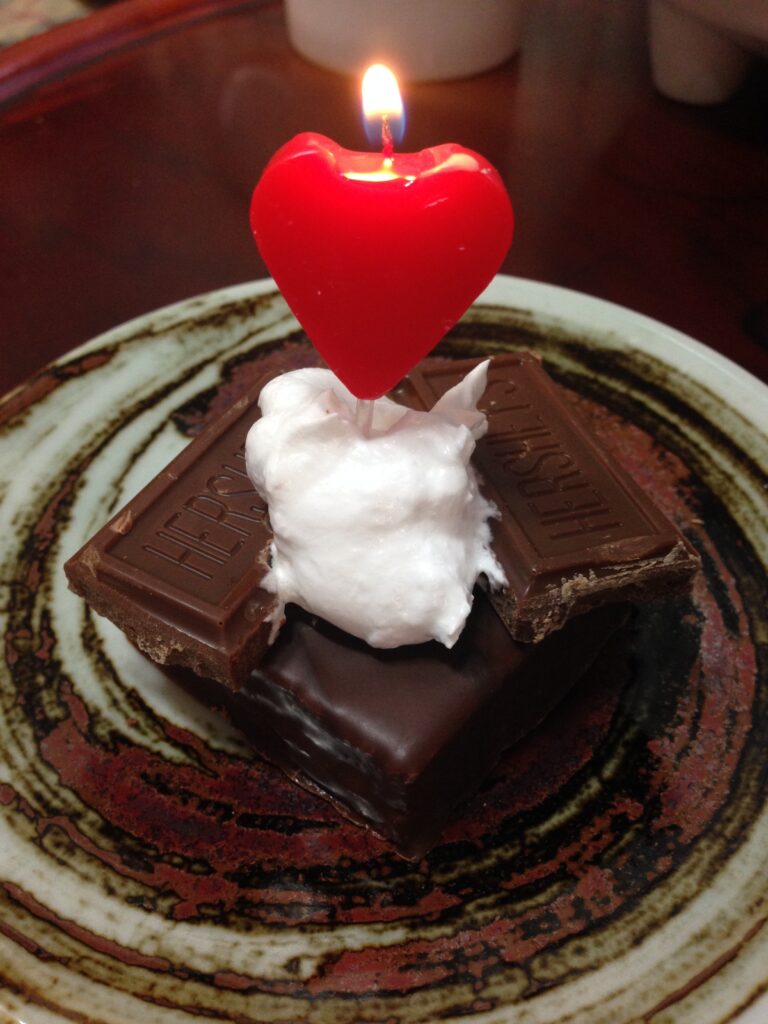
Honestly, I doubt that. We all experience moments of loneliness, even when surrounded by people. But Milton Hershey’s creativity in including people in his life certainly kept loneliness at bay. By all accounts, he was interested in the wellbeing of others. He cared about providing well for the people who worked for him. He funded major building projects in Hershey, Pennsylvania, to keep people employed during the Great Depression. And of course, he built a school where children would be fed, clothed, loved, educated, and trained to be productive, happy people.
A Spoonful of Biblical Truth
There is no one “cure” for loneliness. But I believe Milton Hershey’s story shows us that loving people can serve as a good loneliness repellent. To this day, the students at the Milton Hershey School learn “The Golden Rule,” which comes from Matthew 7:12:
“Therefore all things whatsoever ye would that men should do to you, do ye even so to them: for this is the law and the prophets.”
Perhaps Jesus’s “Golden Rule” is a good thing to remember when loneliness comes knocking. Whatever we want done for ourselves at that moment, perhaps we can do for someone else. It seemed to work for Milton Hershey.
As a result, he left a legacy much sweeter than chocolate.
- “Milton Hershey School: The School Built on Abundant Opportunities,” July 28, 2022, https://stories.hersheypa.com/milton-hershey-school-the-school-built-on-abundant-opportunities/. ↩︎
Share:
Love the history lesson – thanks!
Good job, Carmen! Love the post. Great title.
Thank you!